
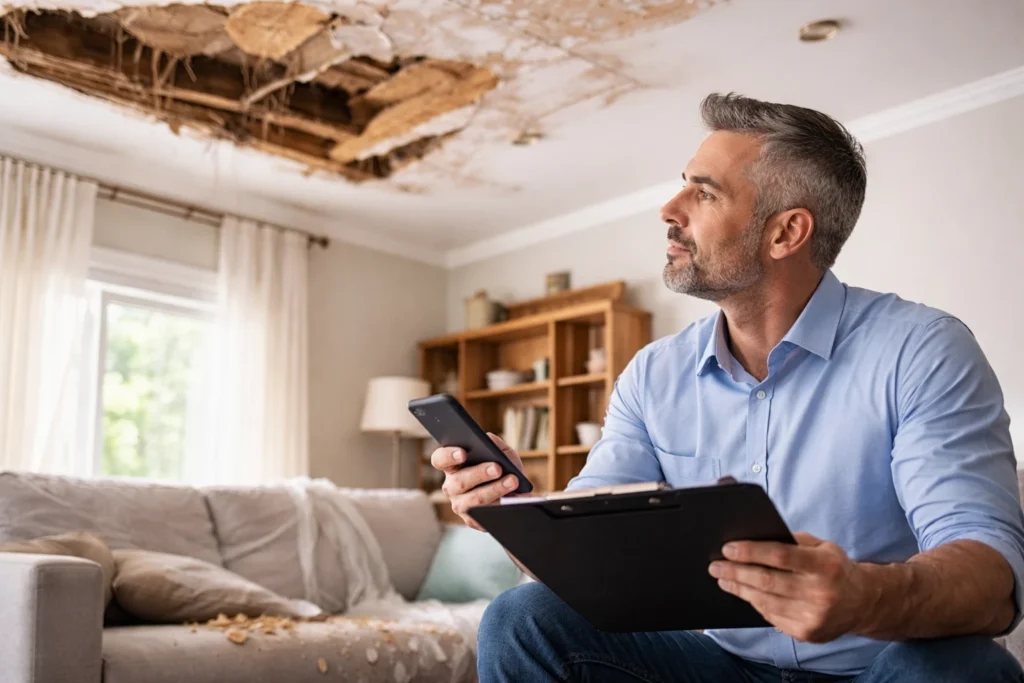
If you’re reading this after property damage, chances are you’re overwhelmed. I get it. Insurance paperwork piles up fast, phone calls blur together, and suddenly you’re expected to understand policy language that feels deliberately confusing. This is where knowing how to find a public adjuster becomes more than a Google search. It becomes a financial decision that can shape your recovery.
Finding the right public adjuster isn’t about hiring the first name you see or the loudest voice at your door. It’s about choosing someone who understands your policy, your loss, and your local market—and who works for you, not the insurance company. Let’s walk through how to do that, step by step, without fluff or scare tactics.
What a Public Adjuster Really Does (and Why It Matters)
A public adjuster is a licensed professional who represents policyholders during an insurance claim. Not insurers. Not contractors. Policyholders.
Their job is to document damage, interpret the policy, prepare the claim, and negotiate with the insurance company for a fair settlement. In other words, they level the playing field.
Insurance companies have teams of adjusters and consultants. You usually don’t. That imbalance is exactly why knowing how to find a public adjuster who’s qualified and ethical matters so much.
Public Adjuster vs. Insurance Adjuster
Here’s a quick comparison to clarify roles:
| Role | Who They Work For | Primary Goal |
| Insurance Adjuster | Insurance company | Control claim costs |
| Independent Adjuster | Insurance company (contracted) | Assist insurer |
| Public Adjuster | You | Maximize rightful payout |
Same word. Very different incentives.
When Hiring a Public Adjuster Makes Sense
Not every claim requires professional representation. But many do.
You should strongly consider hiring a public adjuster if:
- Your claim is large or complex
- The insurer’s offer feels low or rushed
- Parts of your claim were denied
- You’re facing delays or constant requests for more documentation
- The loss involves commercial property or business interruption
Timing matters too. Hiring early can prevent mistakes. Hiring later can help fix them. Either way, understanding how to find a public adjuster at the right moment is key.
Step 1: Verify Licensing—No Exceptions
This is non-negotiable.
A legitimate public adjuster must be licensed in the state where the loss occurred. Licensing ensures training, accountability, and oversight.
Action step:
- Ask for their license number
- Verify it through your state’s insurance department website
If someone dodges this question or says licensing isn’t necessary, walk away. Immediately.
Step 2: Choose Local Experience Over Big Promises
Local knowledge isn’t a bonus. It’s an advantage.
A public adjuster familiar with Pasadena understands:
- Regional weather patterns and risks
- Local construction costs
- Common insurer tactics in the area
- Municipal code requirements that affect repairs
That’s why many policyholders turn to Pasadena Public Adjuster—local presence means accountability, accessibility, and context.
When you’re figuring out how to find a public adjuster, prioritize someone who can show up in person, not just on Zoom.
Step 3: Match the Adjuster to Your Claim Type
Not all public adjusters handle every kind of claim equally.
Ask specifically about experience with:
- Residential property claims
- Commercial buildings
- Fire and smoke damage
- Water and mold losses
- Storm and wind damage
- Business interruption claims
An adjuster who mostly handles small residential claims may not be the best fit for a large commercial loss. Experience matters. A lot.
Step 4: Research Reputation the Smart Way
Online reviews can help—but only if you read them critically.
Look for:
- Consistent themes, not one-off complaints
- Mentions of communication, follow-through, and results
- Long-term reviews, not just recent spikes
Also ask for references. A reputable public adjuster will gladly connect you with past clients. If they hesitate, that tells you something.
This step is often skipped, yet it’s one of the most important parts of learning how to find a public adjuster you can trust.
Step 5: Understand Fees Before You Sign Anything
Public adjusters typically work on a contingency fee. That means they’re paid a percentage of what they recover for you.
Before signing:
- Ask for the exact percentage
- Clarify what’s included in that fee
- Understand how additional claim supplements are handled
A clear contract protects both sides. If the agreement feels rushed or confusing, pause. You’re allowed to take your time.
Step 6: Ask Direct, Practical Questions
This is your interview. Treat it that way.
Here are questions that actually matter:
- Who will handle my claim day-to-day?
- How often will I receive updates?
- What documentation do you prepare personally?
- How do you handle disputes with insurers?
- What happens if the claim stalls?
Pay attention not just to answers, but how they’re delivered. Transparency beats charm every time.
Step 7: Watch for Red Flags
Unfortunately, not everyone in this industry plays fair.
Be cautious if you notice:
- High-pressure tactics or “sign now” urgency
- Guaranteed settlement amounts
- Door-to-door solicitation right after a disaster
- Vague explanations of fees or process
A trustworthy professional won’t rush you. They’ll educate you. That’s a critical distinction when deciding how to find a public adjuster worth hiring.
Step 8: Compare Options Before Deciding
You wouldn’t hire the first contractor you meet. The same logic applies here.
Compare:
- Experience and specialization
- Communication style
- Fee structure
- Local presence
- Professional demeanor
Price alone shouldn’t drive your decision. Value should.
How the Right Public Adjuster Protects Your Claim
A skilled public adjuster does more than “file paperwork.”
They:
- Identify hidden or overlooked damage
- Interpret policy language in your favor
- Create detailed estimates and inventories
- Push back against low valuations
- Keep the claim moving
This is why learning how to find a public adjuster isn’t just about avoiding mistakes. It’s about maximizing outcomes.
Why Local Policyholders Benefit from Local Representation
Insurance claims are personal. They affect your home, your business, your daily life.
Working with a local public adjuster means:
- Faster site inspections
- Knowledge of local repair costs
- Familiarity with regional insurers
- Easier communication
Local expertise translates into practical advantages that remote firms simply can’t match.
Quick Checklist: How to Find a Public Adjuster
Use this before making a final decision:
- Licensed and verified
- Local experience
- Relevant claim expertise
- Clear contract and fees
- Strong communication style
- Solid reputation
If any box stays unchecked, keep looking.
Final Thoughts
Insurance claims are stressful enough without second-guessing who’s on your side. Taking the time to learn how to find a public adjuster gives you control in a process that often feels stacked against you.
Choose carefully. Ask questions. Trust your instincts—but verify with facts.
When you find the right professional, the process becomes clearer, calmer, and far more manageable. And that’s exactly what you deserve when you’re rebuilding after a loss.
FAQs
A public adjuster represents you during an insurance claim, handling documentation, valuation, and negotiations with the insurer.
You should consider hiring one if your claim is large, delayed, denied, or you believe the settlement offer is too low.
Ask for their license number and verify it through your state’s insurance department website.
Most public adjusters work on a contingency fee, taking a percentage of the final settlement they recover for you.
Yes, a public adjuster can step in at almost any stage of the claims process, even after an initial offer or denial.
Local public adjusters often have better knowledge of regional risks, repair costs, and insurer practices.
No, public adjusters work exclusively for policyholders, not insurance companies.
Timelines vary, but a public adjuster helps keep the claim moving and reduces unnecessary delays.
No ethical public adjuster will guarantee results, but experienced professionals often uncover overlooked value.
Focus on licensing, experience with similar claims, local presence, clear fees, and strong communication.