
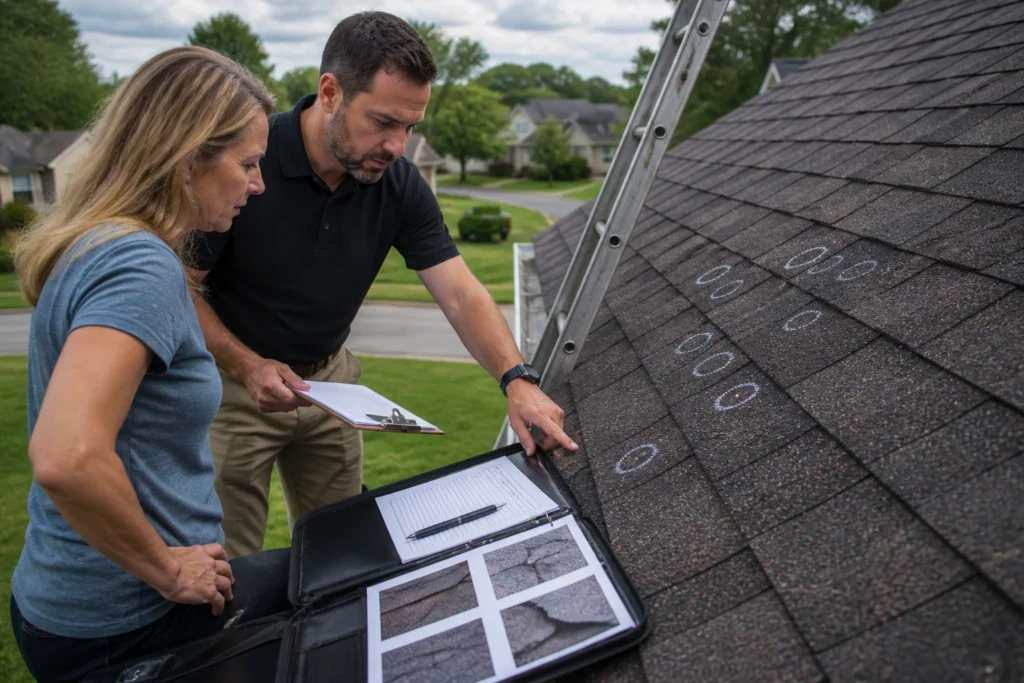
A denial hits fast. One letter, a few paragraphs, and suddenly your roof damage isn’t “covered.” If you’re searching for What to Do If Your Hail Claim Was Denied in Pasadena, you’re already ahead of most homeowners you’re asking the right question. And that matters. Because denied claims aren’t dead ends. They’re starting points.
I’ve seen this play out again and again. A claim gets denied for “no storm damage.” The homeowner assumes that’s final. It’s not. With the right documentation, the right strategy, and the right escalation, that same claim can turn into a full payout. The difference isn’t luck. It’s process. This guide breaks it down. Not theory. Not fluff. Real steps you can take starting now to turn a denied claim into a resolved one.
Why Hail Claims Get Denied in Pasadena
Before you fight back, understand the logic behind the denial. Insurance companies don’t operate randomly. Every denial has a basis whether accurate or not.
The Most Common Reasons
- “No Storm Damage Found”
The adjuster didn’t document enough hail hits per test square. - Wear and Tear vs. Hail Damage
Insurers often classify damage as age-related deterioration. - Insufficient Documentation
Weak photos and lack of supporting evidence. - Late Filing
Missing the reporting window outlined in your policy. - Pre-Existing Damage
The insurer claims the damage existed before the storm.
Here’s what matters: each of these can be challenged. But only if you respond with stronger evidence than what was originally submitted.
Step 1 — Carefully Review Your Denial Letter
This step gets overlooked. Don’t skip it. Your denial letter is the insurance company’s argument. If you want to win, you need to understand that argument in detail.
What to Look For
- Exact wording used to justify the denial
- Policy clauses referenced
- Any inspection notes or lack thereof
- Dates tied to your claim
Red Flags
- Vague conclusions without supporting detail
- No photo evidence included
- Generic statements like “minimal damage”
- No mention of specific roof areas
Your Action
Break the letter down. Highlight key phrases. Identify gaps. Your response should directly counter every point made.
Step 2 — Document Your Roof Damage Properly
This is where most claims fail. Not because damage isn’t present but because it isn’t proven effectively. The process of How to Document Hail Damage for an Insurance Claim is the foundation of a successful dispute.
What You Need to Capture
- Shingle bruising and impact marks
- Granule loss exposing underlying material
- Dents on gutters, vents, and flashing
- Cracked tiles or split shingles
- Interior damage like leaks or stains
Photo Strategy
- Take wide shots first, then close-ups
- Capture multiple angles of each damaged area
- Use natural lighting for clarity
- Mark impacts lightly with chalk
- Ensure timestamps are visible when possible
Video Documentation
A short walkthrough video adds credibility. Speak clearly. Show damage slowly. This helps insurers visualize the issue.
Organizing Your Evidence
Structure matters more than most people realize.
| Folder Name | Contents |
| Roof Overview | Wide-angle images |
| Impact Evidence | Close-up damage photos |
| Metal Damage | Gutters, flashing, vents |
| Interior Damage | Ceilings, attic, leaks |
| Reports | Inspection documents |
Clean organization signals professionalism. That changes how your claim is perceived.
Step 3 — Get a Professional Roof Inspection

Your documentation builds the case. A professional inspection validates it.
What to Look For in an Inspector
- Experience with storm damage claims
- Ability to produce detailed written reports
- Familiarity with insurance processes
- Knowledge of Pasadena roofing codes
What a Strong Report Includes
- Test square analysis (hail hits per area)
- Annotated photos
- Material-specific findings
- Repair vs replacement recommendation
- Code compliance notes
Why It Matters
Insurance companies rely on documented evidence. A strong inspection report introduces technical data that’s difficult to dismiss.
Step 4 — Request a Re-Inspection from Your Insurance Company
Now you’re ready to challenge the denial.
How to Request It
Submit a formal request that includes:
- Your claim number
- A statement disputing the denial
- New supporting evidence
- A request for re-inspection
What Happens Next
- A new inspection is scheduled
- A different adjuster may be assigned
- Your evidence is reviewed on-site
Key Tip
Be present during the re-inspection if possible. Walk the adjuster through the damage. Point out key areas.
Step 5 — File a Supplemental Claim
Denial doesn’t close your claim permanently. Hail Damage Claim Supplements: What Carriers Miss in Their Scope is where many homeowners recover lost value.
What Is a Supplement?
It’s additional documentation submitted after the initial evaluation to account for missed or underestimated damage.
Commonly Missed Items
- Underlayment
- Flashing systems
- Ridge caps
- Ventilation
- Code upgrades
Why Supplements Work
Initial inspections often miss detail. Supplements introduce that detail and detail leads to increased payouts.
Step 6 — Understand Your Policy and Coverage Limits
This is where claims are won or lost.
Key Terms
- Replacement Cost Value (RCV)
- Actual Cash Value (ACV)
- Deductibles
- Exclusions
What to Watch For
- Cosmetic damage exclusions
- Matching limitations
- Wind vs hail distinctions
Understanding your policy gives you leverage. Without it, you’re negotiating blind.
Step 7 — When to Escalate the Dispute
If re-inspection and supplements don’t resolve the issue, escalation becomes necessary.
Your Options
- File a complaint with the Texas Department of Insurance
- Request appraisal
- Enter mediation
- Consider legal action
Timeline Overview
| Stage | Timeframe |
| Re-inspection | 1–3 weeks |
| Supplement Review | 2–4 weeks |
| Appraisal | 30–60 days |
Persistence is key. Many claims are resolved during escalation.
Step 8 — Hire a Public Adjuster to Level the Playing Field
At this stage, expertise matters. Public Adjuster vs. Insurance Adjuster for Hail Claims in Texas highlights a critical difference representation.
Who Works for Who?
| Role | Represents |
| Insurance Adjuster | Insurance company |
| Public Adjuster | You |
What a Public Adjuster Does
- Reviews your policy
- Documents damage
- Prepares supplements
- Negotiates directly
If you’re dealing with a denied claim in Pasadena, local experience can make a measurable difference. Understanding storm patterns and insurer behavior in that region matters.
Common Mistakes to Avoid After a Denial
Avoid these, and you’ll already be ahead.
- Accepting denial without question
- Waiting too long to act
- Submitting weak documentation
- Hiring inexperienced contractors
- Ignoring supplements
Each mistake reduces your chances of recovery.
Realistic Timeline: How Long It Takes to Reverse a Denial
Let’s set expectations.
Typical Flow
- Week 1–2: Documentation and inspection
- Week 2–4: Re-inspection
- Week 4–8: Supplement review
- Month 2–3: Resolution
Consistency and follow-up are critical.
Case Scenario 1: Denied for “No Damage”
- Initial denial: No storm damage
- Action: Detailed photo documentation
- Inspection: 12 hits per test square identified
- Result: Full roof replacement approved
Case Scenario 2: Partial Denial Upgraded
- Initial payout: Minor repairs only
- Action: Supplement submitted with missed items
- Result: Full replacement coverage added
Case Scenario 3: Pre-Existing Damage Claim Overturned
- Initial denial: Damage labeled as old
- Action: Storm date verification + new inspection
- Result: Claim reopened and approved
Advanced Strategies Most Homeowners Miss
Want to go deeper? These are the moves that separate average claims from high-value recoveries.
Slope-by-Slope Analysis
Different slopes experience different impact levels. Insurers may overlook this.
Collateral Damage
- Window screens
- Gutters
- Outdoor fixtures
These support your hail claim.
Interior Tracking
Leaks and moisture confirm roof failure.
Strategic Timing
Submit supplements before repairs begin.
Interestingly, understanding detailed structural behaviors similar to concepts in Eigenvalue decomposition can help professionals analyze patterns and distributions of damage across a roof system, even if the comparison is more conceptual than practical.
Texas Law and Your Rights as a Policyholder

You have rights. Use them.
Key Protections
- Insurers must respond within specific timeframes
- Claims must be handled in good faith
- Unfair denials can be challenged
What This Means for You
If your claim was denied without proper investigation, you may have grounds to escalate beyond the insurer.
Why Denied Claims Are Often Just the Beginning
A denial is often just the first position not the final outcome. Insurance companies start conservatively. When you introduce stronger evidence, the claim evolves. That’s why understanding What to Do If Your Hail Claim Was Denied in Texas gives you an advantage. You’re not reacting you’re responding strategically.
Why Local Expertise Matters in Texas Hail Claims
Texas storms are intense. Damage patterns vary.
Working with professionals familiar with areas like Pasadena gives you an edge:
- Knowledge of local storm activity
- Familiarity with roofing materials
- Experience with insurers in that region
Local insight strengthens your case.
Final Action Plan: What to Do Right Now
Let’s simplify everything.
Immediate Steps
- Review your denial letter
- Document your damage
- Get a professional inspection
- Request re-inspection
- File a supplement
- Consider hiring a public adjuster
If you’re handling a denied claim in Pasadena, this structured approach can significantly improve your outcome.
Conclusion: Take Control of Your Hail Claim
Denials feel final. They’re not. The homeowners who recover their claims are the ones who act quickly, document thoroughly, and stay persistent.
Now you understand What to Do If Your Hail Claim Was Denied in Texas not just the steps, but the strategy behind them. Take action. Stay organized. And don’t accept the first answer as the final one.
FAQs
Review the denial letter carefully and start gathering stronger documentation to challenge it.
Yes, with new evidence or a supplemental claim, many denied claims can be reconsidered.
It depends on your policy, but acting quickly within weeks is strongly recommended.
Clear photos, videos, and a professional inspection report carry the most weight.
Yes, especially if you provide stronger documentation than the original submission.
It’s additional documentation submitted to include damage or costs missed in the initial evaluation.
If your claim is complex or heavily disputed, a public adjuster can significantly improve your outcome.
Yes, with expert inspection reports showing hail-specific damage patterns.
Independent appraisers review the claim and a neutral umpire helps resolve disagreements.
Yes, many denied claims are successfully overturned with proper documentation and persistence.